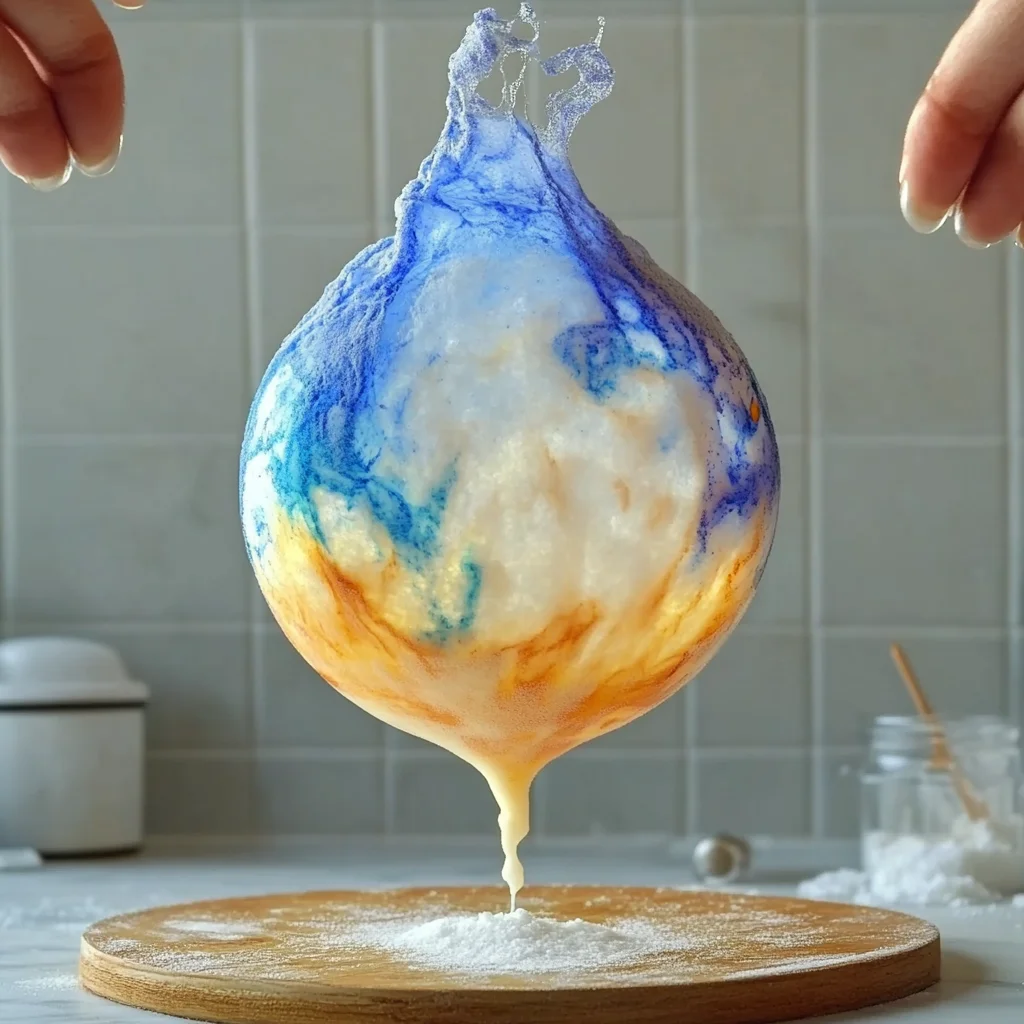
Oh, hey there, friend! Remember those rainy afternoons when you just needed a little sprinkle of magic? Or maybe you’re looking for a super quick win that feels like a grand adventure? Well, pull up a chair, because I’ve got a recipe for you today that isn’t for your tummy, but for sparking wonder and giggles! It’s a kitchen science classic, and honestly, it feels a bit like real-life magic unfolding right before your eyes. It’s incredibly simple, uses stuff you probably already have lying around, and is guaranteed to be memorable. Get ready to make a balloon inflate all by itself!
Why You’ll Love This Recipe
This isn’t just a cool trick; it’s a fantastic little learning opportunity wrapped in fun! Here’s why this experiment will become a go-to:
- Fast: Seriously, you can set this up in mere minutes. Perfect for those “I’m bored!” moments.
- Easy: The steps are straightforward, making it great for little helpers (with adult supervision, of course!).
- Giftable: Okay, maybe not the inflated balloon, but you could totally package up the ingredients and instructions as a fun “science kit” gift!
- Crowd-pleasing: Whether it’s a playdate, a family gathering, or just a quiet afternoon, watching this happen is always a hit.
Ingredients
Gathering your supplies for this piece of magic is part of the fun! Most of these are likely already in your pantry or junk drawer.
- 1 Balloon: Any standard party balloon will work! The brighter the color, the better the show, I think!
- 1 Small Plastic Bottle: A clean, empty water bottle is absolutely perfect for this. The smaller size helps focus the reaction and makes it easier for little hands to manage.
- 2-3 Tablespoons Baking Soda: The stuff you use for baking or keeping your fridge fresh! This is one-half of our dynamic duo.
- ½ Cup Vinegar: Plain white vinegar is ideal. It’s the other half of the reaction team. Get ready for some fizz!
- Funnel or Paper Cone: This is key for mess-free ingredient transfer. If you don’t have a funnel, rolling a piece of paper into a cone with a small hole at the tip works just as well!
- Optional: Food Coloring, Glitter, or Essential Oils: Want to add some sparkle, color, or a nice scent to your reaction? These are fun additions to the vinegar!
How to Make It
Alright, let’s get this science party started! Follow these simple steps, and prepare for some balloon-inflating excitement!
- First things first, grab your balloon and your funnel (or paper cone). Carefully insert the tip of the funnel into the opening of the balloon. Now, measure out your 2-3 tablespoons of baking soda and gently pour it through the funnel into the balloon. This step requires a little patience to make sure it all gets down into the balloon’s body. Once it’s all in, set the balloon aside carefully so you don’t spill that precious baking soda!
- Next, take your clean plastic bottle. Measure out ½ cup of vinegar and pour it into the bottle. If you’re using any of the fun optional additions like food coloring, glitter, or a drop of essential oil, now’s the time to add them to the vinegar in the bottle. Give it a little swirl!
- Now for the exciting part! Carefully stretch the neck of the balloon over the opening of the bottle. This is where you need to be extra careful NOT to let the baking soda fall into the vinegar yet. Keep the balloon hanging loosely down the side of the bottle for a moment. Make sure the seal is tight around the bottle opening.
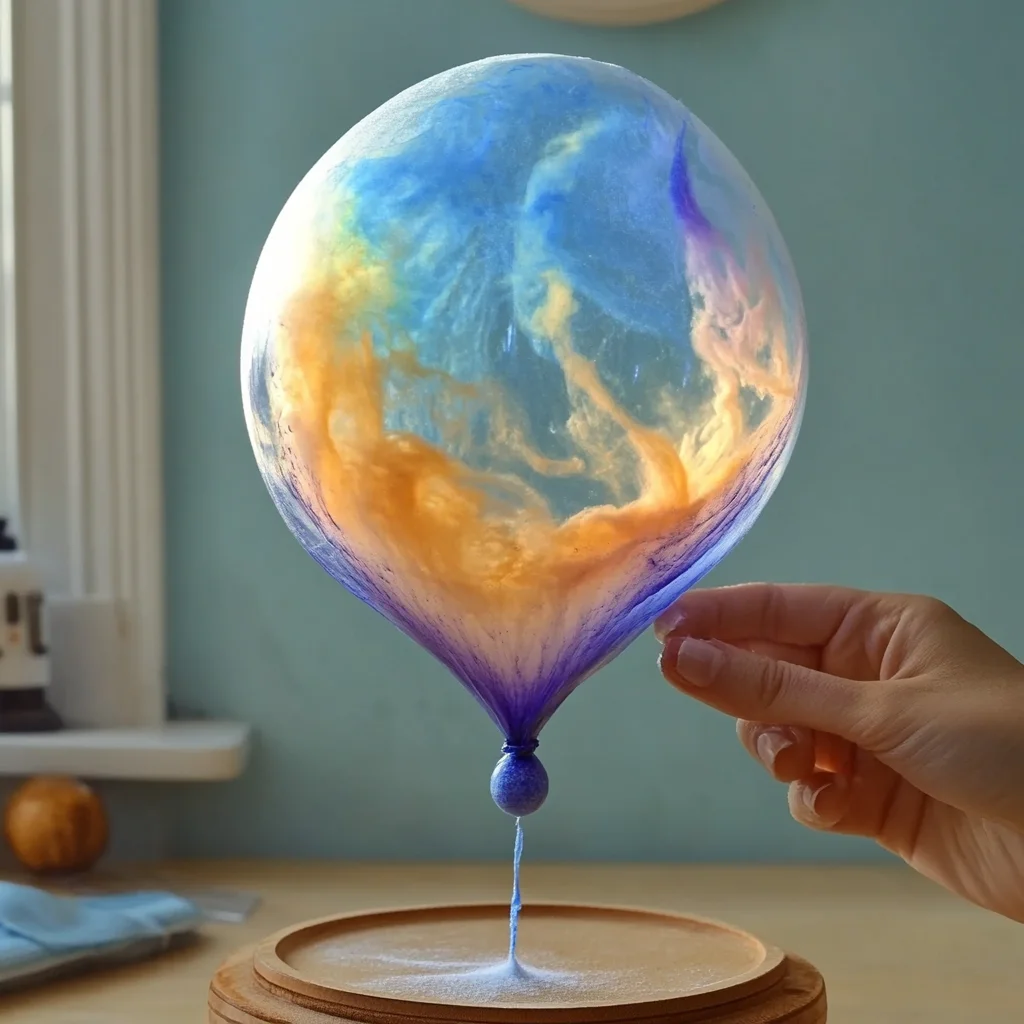
- Okay, deep breath… are you ready? Lift the balloon upright so the baking soda that’s nestled inside the balloon finally tumbles down into the bottle and meets the vinegar. Get ready to watch the magic happen! Observe closely as the mixture fizzes and bubbles, and the balloon starts to inflate!
Substitutions & Additions
While the classic baking soda and vinegar combo is tried and true, there are fun ways to switch things up or add an extra layer of sensory fun:
- Different Bottle Sizes: You can try larger or smaller bottles, but remember the proportions might need tweaking. A bigger bottle might need a bit more baking soda and vinegar to get a good inflation.
- Vinegar Types: While white vinegar is standard, other vinegars will likely work, but they might have different colors or smells. Stick to clear ones if you want to see added colors clearly.
- Get Colorful & Sparkly: As mentioned, a few drops of food coloring or a pinch of craft glitter added to the vinegar makes the bubbling reaction even more visually exciting.
- Add a Scent: A drop or two of kid-safe essential oil (like vanilla or orange) in the vinegar can add a lovely smell to the experiment.
Tips for Success
Want to ensure your balloon gets a good inflation? Here are a few little tips I’ve learned along the way:
- Use Fresh Ingredients: Make sure your baking soda and vinegar aren’t ancient leftovers. Fresher ingredients tend to react more vigorously.
- Secure the Balloon: Before you tip the baking soda in, double-check that the balloon is stretched tightly and securely over the bottle opening. You don’t want precious gas escaping!
- Don’t Overfill the Bottle: Too much vinegar can make it harder for the reaction to happen effectively or can cause the mixture to foam up and spill out. The ½ cup is usually just right for a small bottle.
- Adult Supervision is Key: While it’s a simple experiment, vinegar is an acid and should be handled with care. Always have an adult present, especially when little ones are helping.
- Do it on a Tray: Reactions can sometimes get a little bubbly and messy. Setting up your experiment on a tray or in a shallow dish makes cleanup a breeze!
After the Experiment & Cleanup
Hooray! You made a balloon inflate with science! Now that the excitement has settled a bit, let’s talk about what happened and how to clean up.
What you just witnessed is a chemical reaction between an acid (vinegar) and a base (baking soda). When they mix, they produce carbon dioxide gas. This gas fills the bottle and, having nowhere else to go, rushes up into the balloon, causing it to inflate! Pretty neat, right?
For cleanup, the leftover liquid in the bottle is mostly diluted vinegar and some leftover baking soda. You can safely pour this down the drain with running water. The balloon can be deflated and reused for another experiment or discarded. Rinse out the bottle and any funnels or trays you used. Easy peasy!
FAQs
Got questions? Here are a few common ones about this fun experiment!
Q: Why didn’t my balloon inflate very much?
A: This could be due to several factors! Maybe the baking soda or vinegar wasn’t fresh, the balloon wasn’t sealed tightly on the bottle, or you didn’t use enough of the ingredients for the size of your bottle.
Q: What is the gas that inflates the balloon?
A: It’s carbon dioxide (CO2)! The same gas we breathe out and that makes the bubbles in soda pop.
Q: Can I do this experiment again?
A: Absolutely! Just empty and rinse your bottle and balloon, and gather fresh baking soda and vinegar. You’re ready for round two!
Q: Is it safe to touch the liquid after the reaction?
A: The resulting liquid is still acidic from the vinegar. It’s best to avoid getting it in eyes or mouth. Washing hands after the experiment is always a good idea!

Balloon Magic: An Easy Kitchen Science Experiment
Ingredients
Equipment
Method
- Step 1: Grab your balloon and funnel (or paper cone). Insert the funnel tip into the balloon opening. Measure out 2-3 tablespoons of baking soda and gently pour it through the funnel into the balloon. Set the balloon aside carefully.
- Step 2: Take your clean plastic bottle. Measure out ½ cup of vinegar and pour it into the bottle. Add any optional additions like food coloring, glitter, or essential oil to the vinegar. Give it a little swirl.
- Step 3: Carefully stretch the neck of the balloon over the opening of the bottle. Be extra careful NOT to let the baking soda fall into the vinegar yet. Keep the balloon hanging loosely down the side of the bottle. Make sure the seal is tight around the bottle opening.
- Step 4: Lift the balloon upright so the baking soda inside tumbles down into the bottle and meets the vinegar. Observe closely as the mixture fizzes and bubbles, and the balloon starts to inflate!